Preparing your home for an electric vehicle charger starts with checking whether your electrical system can support it. You need to understand your panel capacity, choose the right location, and know what the installation involves before moving forward. This prevents delays, avoids unnecessary changes, and ensures the setup works safely from the start.
Many homeowners reach this stage ready to install but still feel unsure about what actually matters. That confusion often leads to rushed decisions or unexpected adjustments during the process.
Can Your Home Support The Installation Without Changes
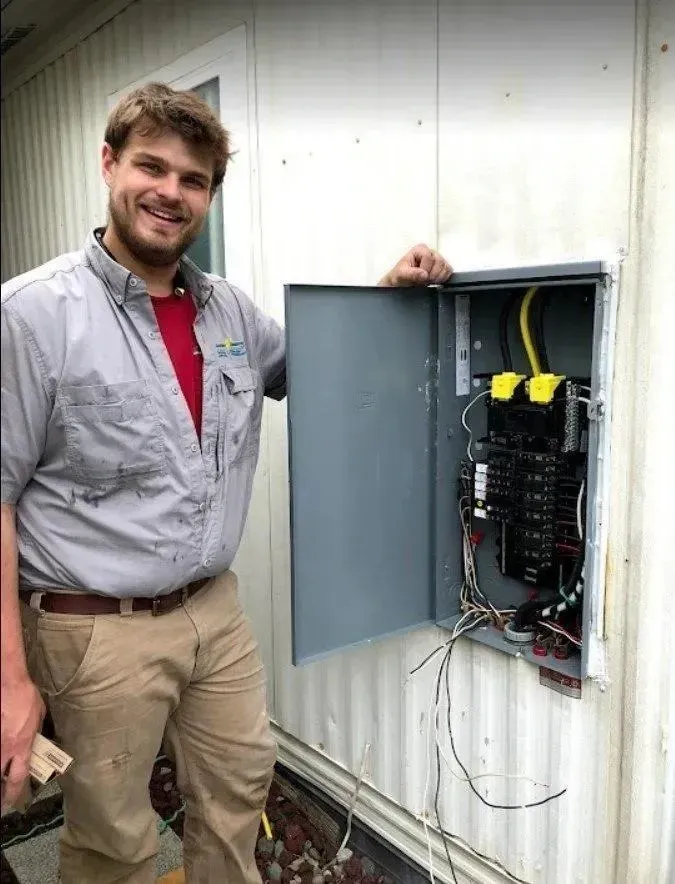
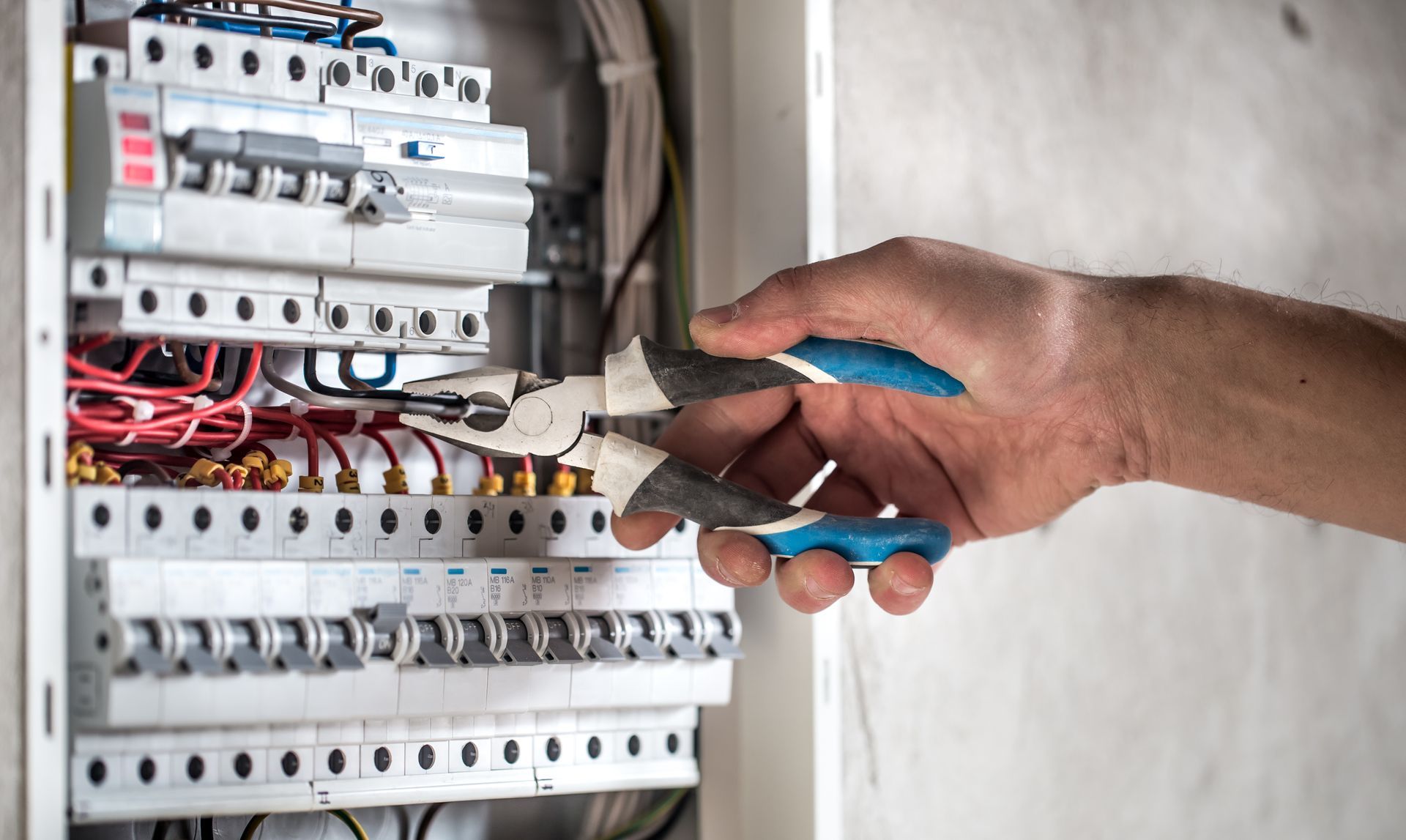
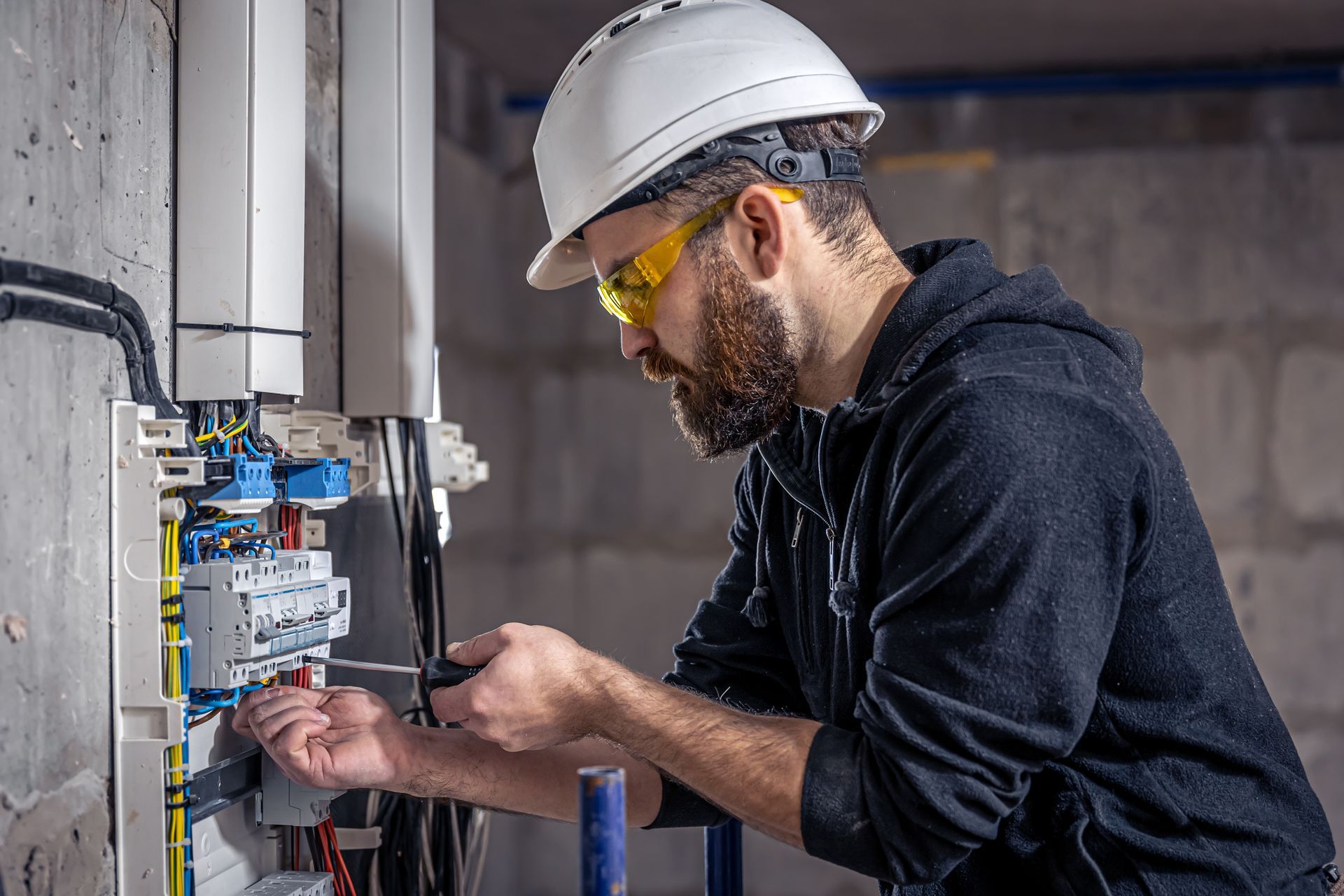
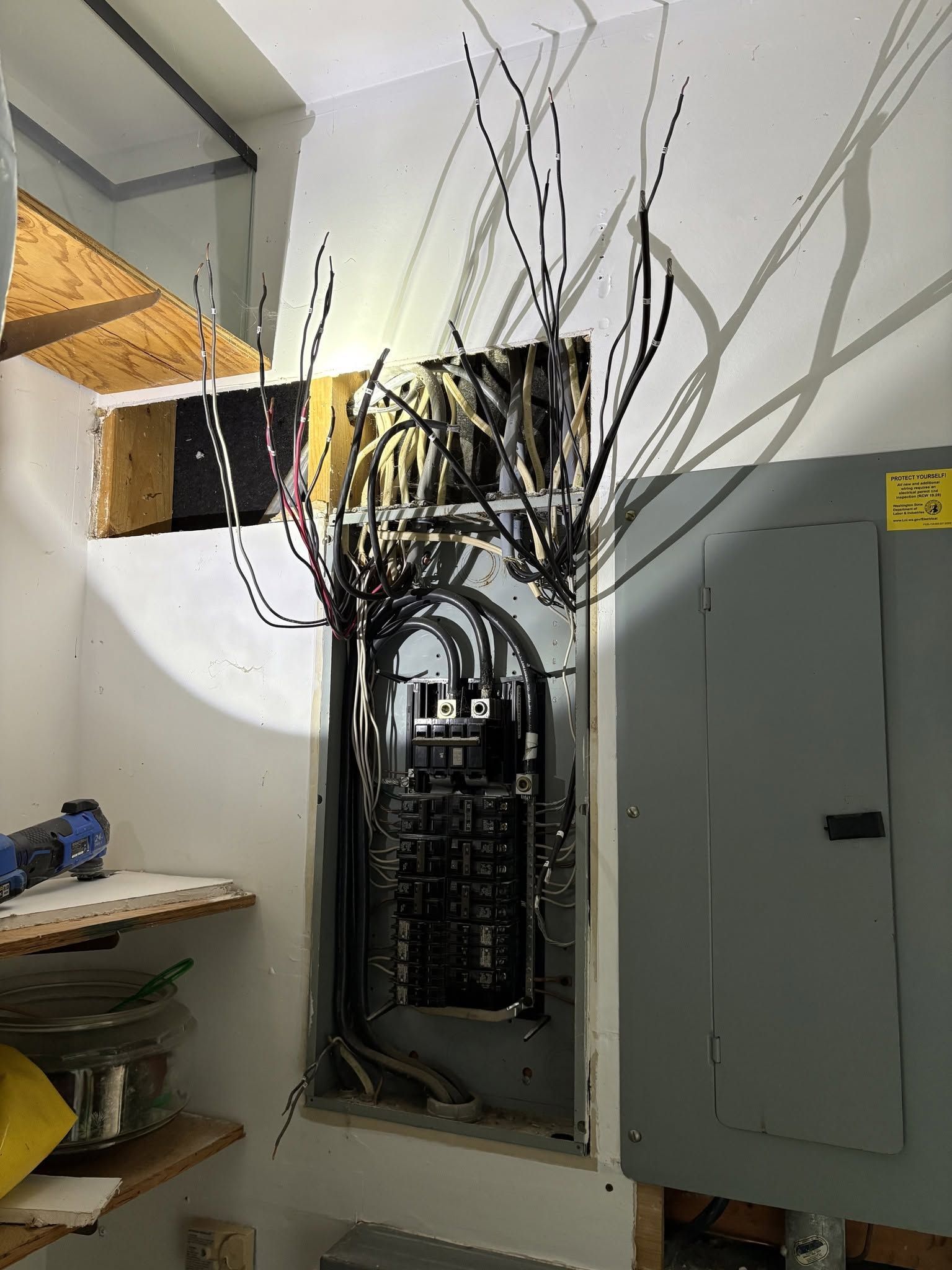
Your electrical panel controls how much power your home can safely handle. When you add an electric vehicle charger, you add a continuous load that runs for extended periods.
We start by reviewing your panel capacity and current usage. In many homes we evaluate, existing appliances and past upgrades already use most of the available capacity. A proper load check shows whether your system can support the charger or needs adjustment.
Clear signs often point to limits:
● Breakers trip during normal use.
● Panel space is already tight.
● Electrical demand has increased over time.
● System performance feels strained.
A charger cannot operate safely without available capacity. This is where most installation issues begin.
If you want clarity before moving forward, our EV charger services focus on evaluating your system first so you know exactly what your home can support.
Electrical Evaluation Shapes The Entire Installation
Every reliable installation begins with the system, not the charger. We evaluate load demand, panel condition, and circuit requirements before planning the setup, which is a core part of our
EV charger installation services.
This step removes guesswork. It ensures the installation fits your home instead of forcing changes later. Skipping this stage often leads to delays or system stress once the charger is in use.
We also check grounding and connection stability to confirm that your system can handle continuous charging safely.
Placement Decisions Affect Installation And Daily Use
The location of your charger affects both the installation process and how convenient it feels every day.
A setup closer to the panel usually allows for a more efficient installation. Longer distances require more planning and increase the effort involved. Placement also determines how easily you can access the charger when you need it.
Important factors include:
● Distance from the panel.
● Ease of access during daily use.
● Protection from open exposure.
● Practical positioning for consistent charging.
Good placement reduces complications before they start.
System Compatibility Determines Connection Approach
The way the charger connects depends on what your electrical system can safely support. We assess your setup and recommend an approach that fits your capacity and usage.
Some systems require a direct connection to maintain consistent performance. Others depend on how the system is structured and what it can handle without strain. The goal remains the same. Match the setup to the system so it performs reliably.
Dedicated Circuit And Safety Checks Ensure Stability
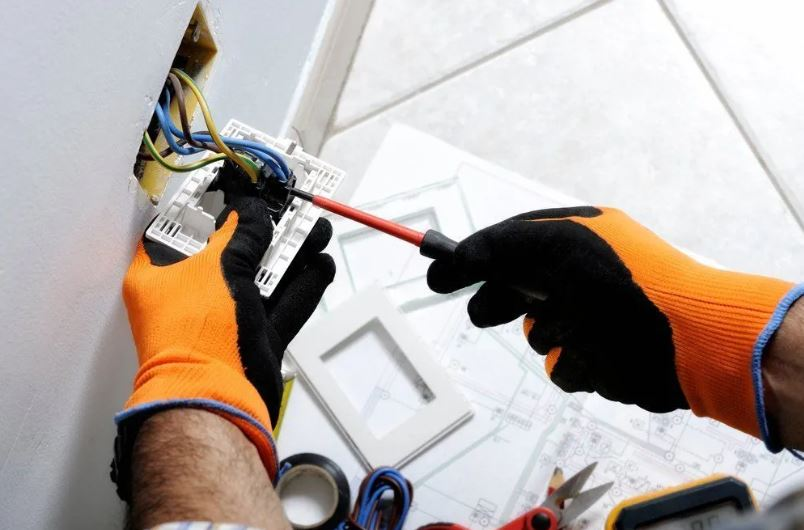
A charger needs its own circuit to function safely. Sharing power with other circuits creates instability and increases risk.
We design the circuit based on your system capacity and confirm all safety requirements before installation. This includes grounding checks, secure connections, and proper planning for inspection approval.
Before installation, we verify:
● Available panel capacity.
● Space for a dedicated circuit.
● Stable grounding and connections.
● Readiness for permit and inspection steps.
This process ensures the system works as expected from day one.
Preparation Steps That Reduce Delays
You can make the installation smoother by preparing your home in advance. These steps help us complete the work efficiently.
● Keep the panel area accessible.
● Clear the installation space.
● Identify existing circuits if possible.
● Ensure the location is easy to work in.
Small preparation steps often prevent unnecessary delays.
Conditions That Influence Installation Readiness
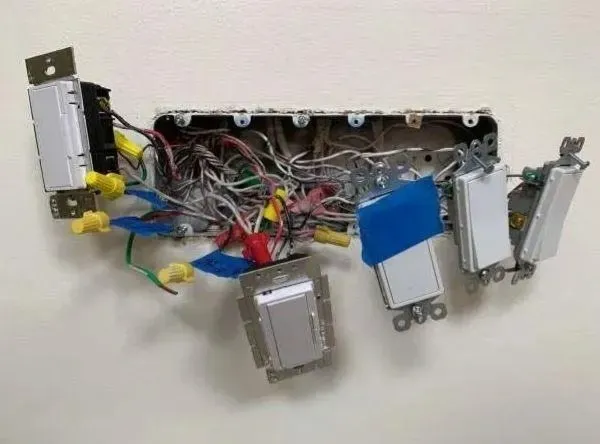
Some homes need adjustments before installation can begin. We often find that panel space or existing electrical demand limits immediate installation.
Previous electrical changes can also affect how the setup moves forward. These conditions become clear during evaluation and allow proper planning before work begins.
What a Careful Homeowner Should Confirm First
A careful decision starts with understanding the process. Make sure the installation includes a full system evaluation, load calculation, circuit planning, and permit handling.
Without this, the setup may not match your home’s capacity. That can lead to performance issues later. A proper process ensures your system supports the charger from the beginning.
Quick Checklist Before You Schedule
Use this checklist to move forward with confidence:
● Confirm your panel can support the load.
● Choose a practical installation location.
● Check for available panel space.
● Prepare the installation area.
● Be ready for system adjustments if needed.
Conclusion
Preparation gives you control over the installation process. When you understand your system, plan carefully, and rely on proper evaluation, you avoid delays and reduce risk. Working with EV charger installation services ensures the setup fits your home and supports reliable residential EV charging in Olympia for long term use.
If you are ready to move forward, we can assess your system and guide you through the next step with clarity and confidence.
FAQs
1. How do I know if my home is ready for an EV charger installation?
Your home is ready when your electrical panel has enough capacity to handle the added load. An electrician checks your panel, current usage, and circuit space before installation. If your system already runs near its limit, you may need adjustments before moving forward.
2. What should I check before installing an electric vehicle charger at home?
Start with your electrical system, not the charger. You should confirm panel capacity, available breaker space, and a practical installation location. You also need to ensure the setup allows a dedicated circuit, since chargers cannot safely share power with existing circuits.
3. Why is electrical panel capacity important for EV charger installation?
Panel capacity determines whether your home can safely support continuous charging. If the system cannot handle the load, it may lead to breaker trips or performance issues. Proper evaluation ensures the charger works reliably without stressing your electrical system.