Have you noticed flickering lights, sudden power loss, or signs that your older home still relies on very old wiring? These issues can be more than a small inconvenience. They may point to wiring that has become brittle, overloaded, or difficult to work with. Electrical rewiring can help replace aging wiring, support newer forms of circuit protection, and improve how reliably power reaches different areas of the house.
For homeowners, this matters because electrical problems often develop slowly. A house may still have power while hidden wiring has already weakened with age. That is why learning the warning signs and knowing when to consider
whole house rewiring services can help you make a more informed decision before the problem becomes harder to deal with.
Start With the Signs Your Home Gives You
Older wiring often shows warning signs before it fails completely. Flickering lights, power that disappears and later returns, or permanent power loss in one area can all point to an electrical issue.
Wiring over 40 years old may also become brittle. Its lifespan can change based on how often a circuit is used, how much power it carries, how it was installed, and the temperature around the wire. Because several issues can cause the same symptoms, an electrician should inspect the accessible wiring first.
Whole House Rewiring Services for Knob and Tube Systems
Knob and tube wiring is one of the strongest signs that an older electrical system needs close attention. This wiring can be more than 100 years old, and the cloth insulation around it may weaken after decades of heating and cooling.
It also does not have a ground. In some older houses, a large part of the home may run on one fuse or breaker, while modern appliances often use more power. In this case, whole house rewiring services may help replace wiring that no longer fits the electrical demands of the home.
Electrical Rewiring for Old Homes Can Address Hidden Past Work
Not every wiring problem comes from age alone. Older homes may contain repairs or changes completed by previous owners or workers, and some of that work may not meet proper standards.
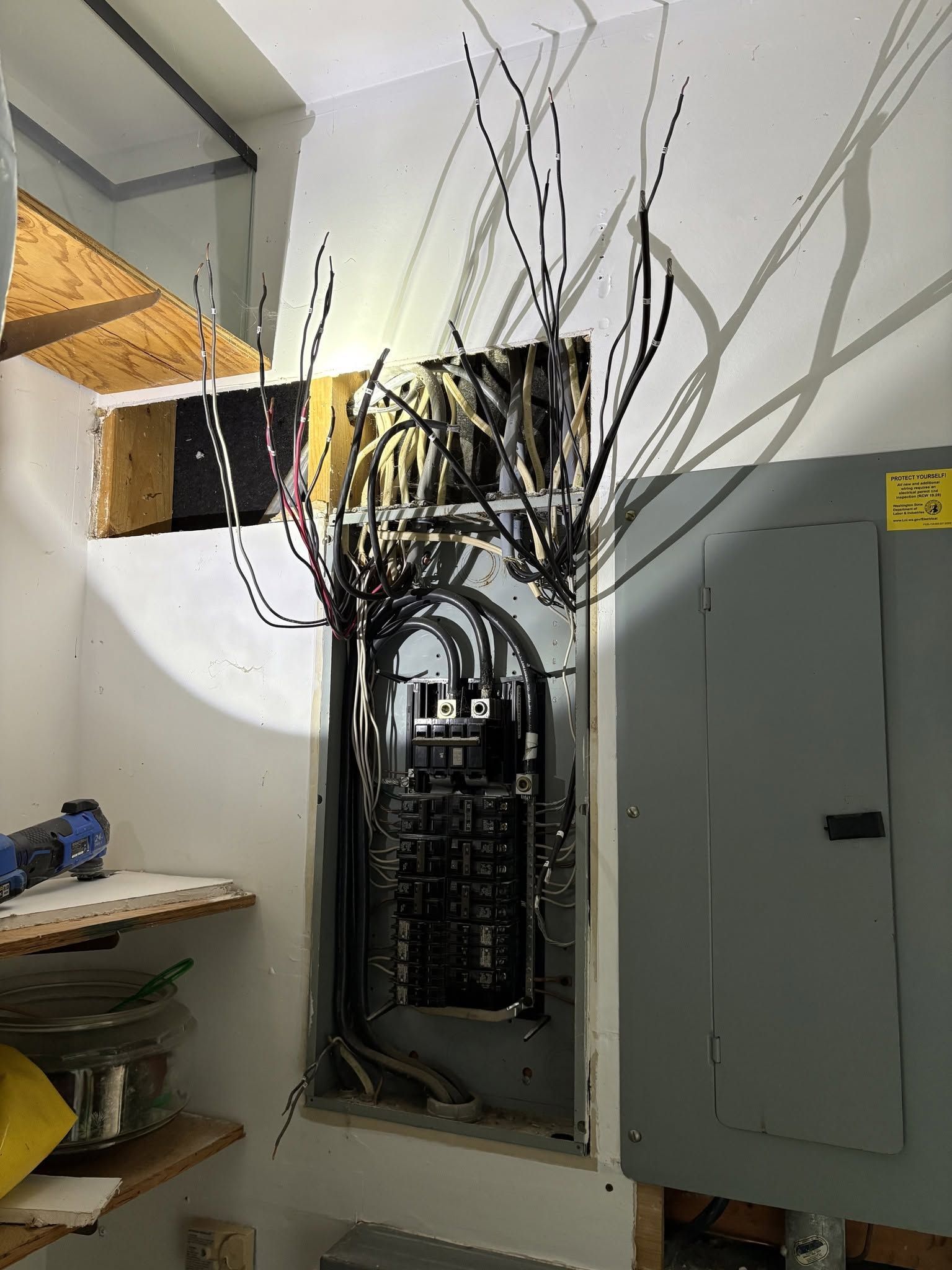
The home may look updated on the surface while older wiring remains behind walls. If you are unsure about the property's electrical history, checking the panel cover for inspection stickers can be a useful first step. When power loss comes from wiring hidden inside walls and the fault cannot be found, electrical rewiring for old homes may become the practical way to correct the issue.
Modern Protection Depends on Wiring Condition
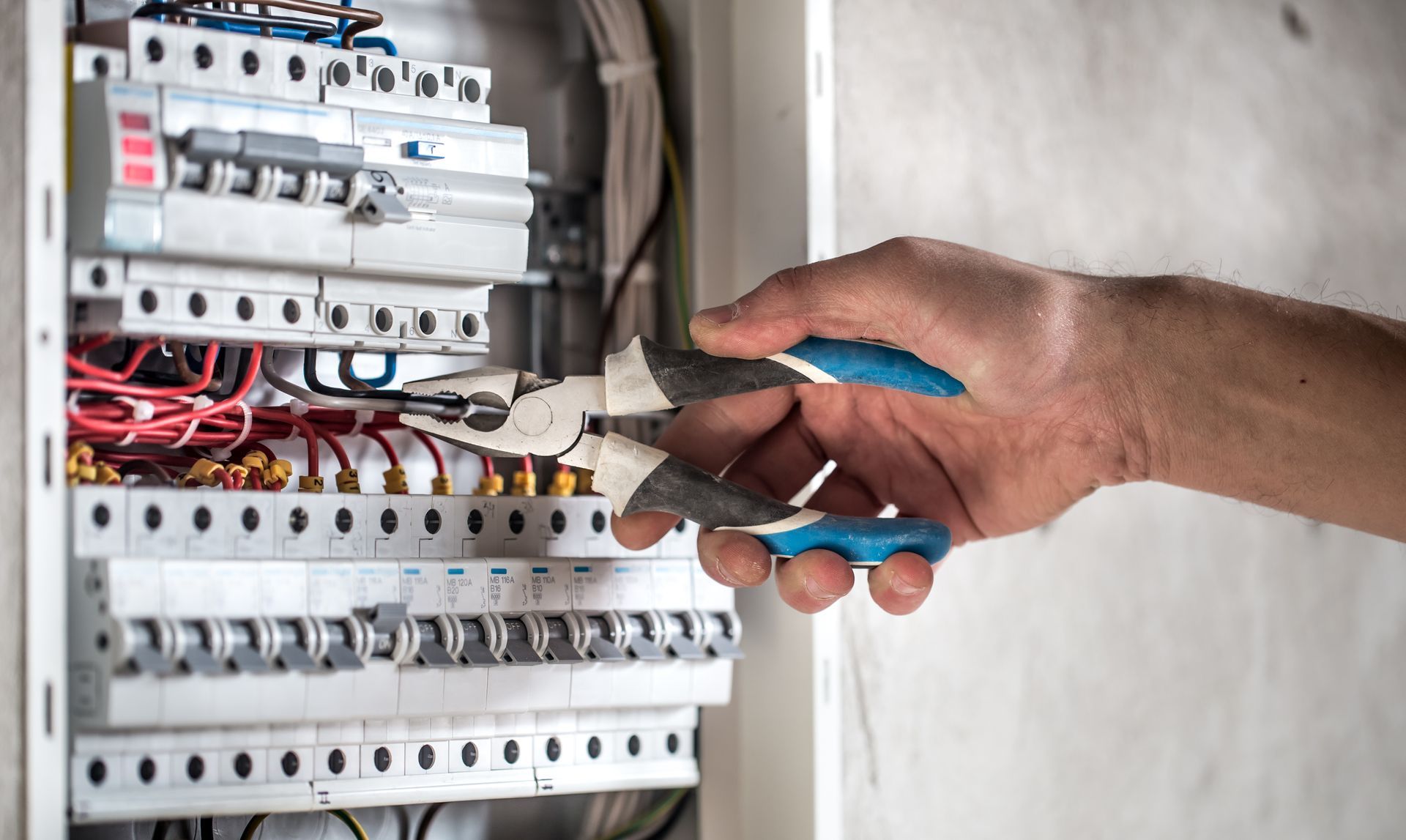
Newer homes use AFCI and GFCI protection along with standard breaker functions. AFCI breakers can react to signs of sparks and wire damage, while GFCI breakers are designed to protect against electrocution.
However, older wiring may be in poor enough condition that these breakers cannot be used properly. In such cases, whole house rewiring services can make it possible to move the electrical system toward the newer protection standard described by Shocking Difference LLC.
Know When an Inspection Makes Sense
The age of a home alone does not tell the full story. Two houses built in the same period may have very different wiring conditions based on use, past repairs, and how the original work was completed.
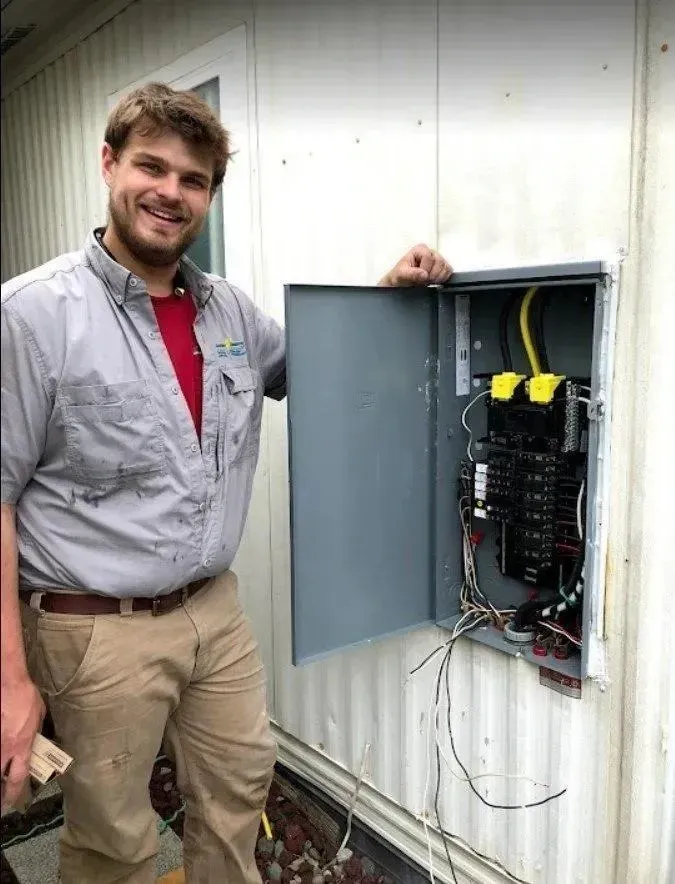
If you live in Olympia or a nearby service area, a residential electrician in Olympia, WA can inspect accessible wiring and help determine whether rewiring is actually needed. That gives you clearer information before making a larger electrical decision.
Think About Reliability, Not Just Age
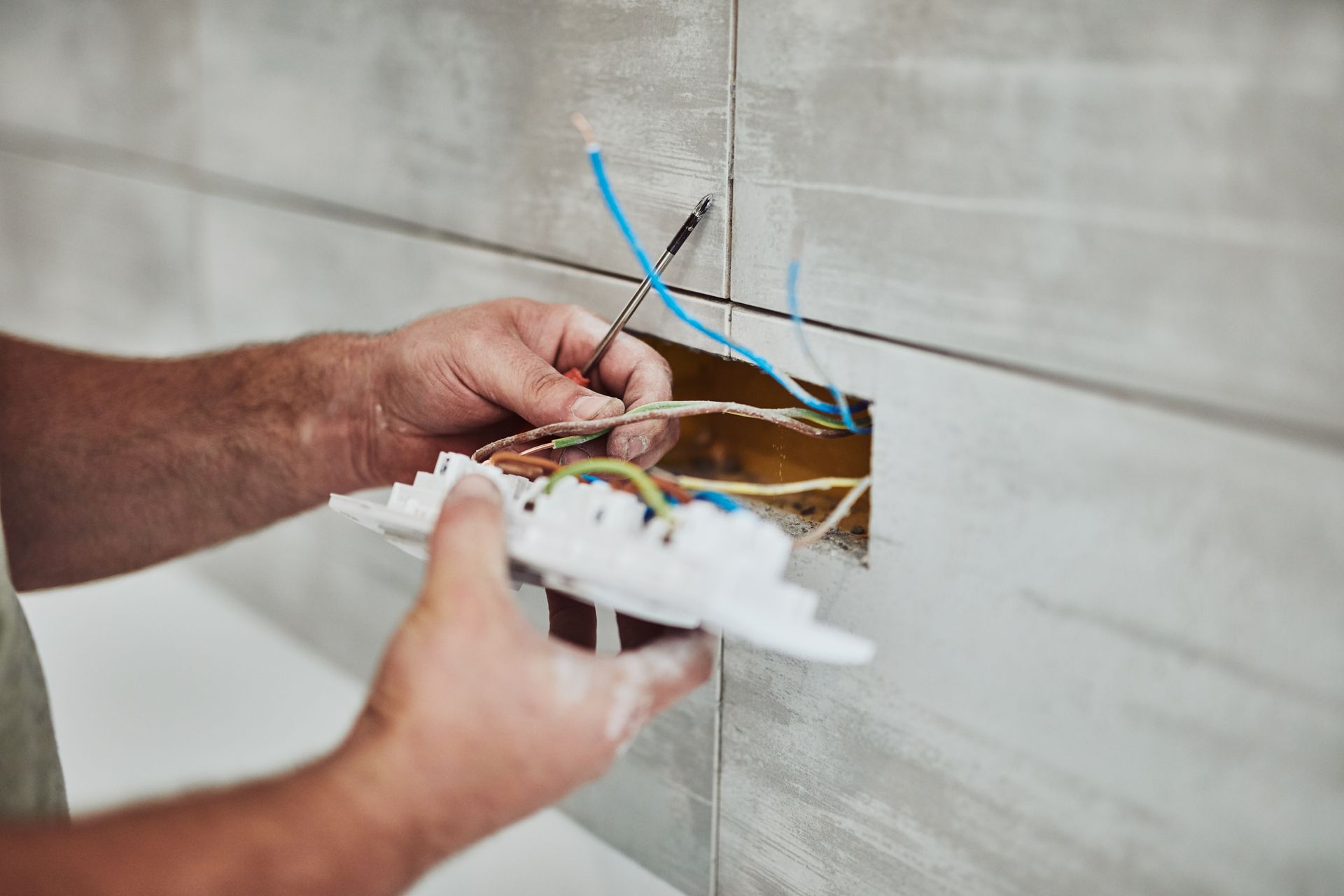
A rewire is not only about replacing old wire. It can also address the cause of repeated flickering, lost power, brittle wiring, and problems linked to outdated electrical work.
When the wiring condition calls for it, whole house rewiring services can help create a more dependable electrical system and make future electrical work easier to complete within current protection requirements.
Conclusion
Older homes can remain comfortable and useful for many years, but the wiring inside them still needs to match the demands placed on it. Paying attention to signs such as flickering lights, brittle wire, unexplained power loss, knob-and-tube wiring, and questionable past work can help homeowners know when to seek a professional opinion.
A careful inspection gives you a clearer picture of the system's condition. From there, you can decide what work is needed based on the wiring itself rather than the age of the home alone.
FAQs
1. Why is knob and tube wiring considered outdated?
It can be more than 100 years old, uses cloth insulation, has no ground, and may place large areas of a home on one fuse or breaker.
2. What can affect the lifespan of electrical wiring?
Circuit use, power demand, installation methods, and the temperature around the wire can all affect how long wiring remains in good condition.
3. Should I check past electrical work in an older home?
Yes. If you do not know the home's electrical history, you can look for inspection stickers on the electrical panel and ask an electrician to review the system.