Understanding Generator Maintenance Intervals

February 12, 2026

Knowing when and what you can do vs hiring a professional

Tags: Electrical, Generator, Generator Maintenance

Date: February 12, 2026

Estimated Read Time: 9 minutes

How often should you service your generator for reliable power? In the South Sound, windstorms and wet winters make preparedness essential. A well‑maintained standby generator keeps food cold, lights on, and medical devices running when the grid is down. In this guide, you will get clear service intervals, a seasonal checklist, and expert insight so your system starts on the first try. If you need help today, call (360) 754-4542 or schedule at shocking-difference.com.


Why Generator Maintenance Matters in the South Sound

Western Washington weather is hard on equipment. Moisture, salt air, and blowing debris work their way into vents and enclosures. Pine needles are notorious for collecting around intake grilles and finding their way into places they don’t belong. Long outages during and after wind events can push a neglected generator past its limits.

Regular service prevents small issues from becoming big failures. It protects the engine, the alternator, and the electronics that manage voltage and frequency, and ensures that all parts of your generator system, including the transfer switch, are performing at peak efficiency when you need them most.

Local detail matters. Around Tacoma, Olympia, and the I‑5 corridor, we see clogged air filters, weak batteries, and corroded lugs more than in drier regions. A routine maintenance visit finds these problems early and extends system life.


How Often to Service Your Generator

Service cadence depends on generator type, run time, and environment. Use these baseline intervals, then adjust for heavy use or harsh conditions.

  1. Standby generators that exercise weekly:
  • Comprehensive service every 12 months or 100–150 running hours, whichever comes first.
  • Mid‑year inspection at 6 months if the unit sits near landscaping or a saltwater breeze.
  1. Portable or manual‑transfer setups used for storms:
  • Pre‑season inspection each fall.
  • Oil and filter every 50–100 hours, per manufacturer guidance.
  1. After any prolonged outage:
  • Post‑event inspection to check oil level, spark plug health, air filter, and connections.

If your generator supports critical medical devices, shorten the interval. Many homeowners in Lacey, Lakewood, and beyond choose semiannual professional service for peace of mind.


Seasonal Maintenance Checklist for Western Washington

Use this homeowner checklist between professional visits. It keeps your system ready and reduces emergency calls.

  1. Monthly
  • Clear leaves, pine needles, and shrubs within three feet of the enclosure.
  • Check the display for alarms or service reminders.
  • Verify the weekly exercise tests ran on schedule.
  1. Before storm season
  • Inspect the battery terminals for corrosion and snug fit.
  • Confirm fuel condition and level: replace stale gasoline or check propane supply.
  • Look for rodent nesting in vents and under covers.
  1. After heavy rain or wind
  • Make sure the enclosure is closed and sealed.
  • Check that exterior conduit and flex are intact and supported.
  1. Safety
  • Keep carbon monoxide clearances. Never block louvers.
  • Test smoke and CO alarms inside your home.


What a Professional Generator Service Includes

A full service visit goes deeper than a quick oil change. Our licensed electricians follow a structured process that aligns with manufacturer specs and Washington code requirements.

  • Engine care
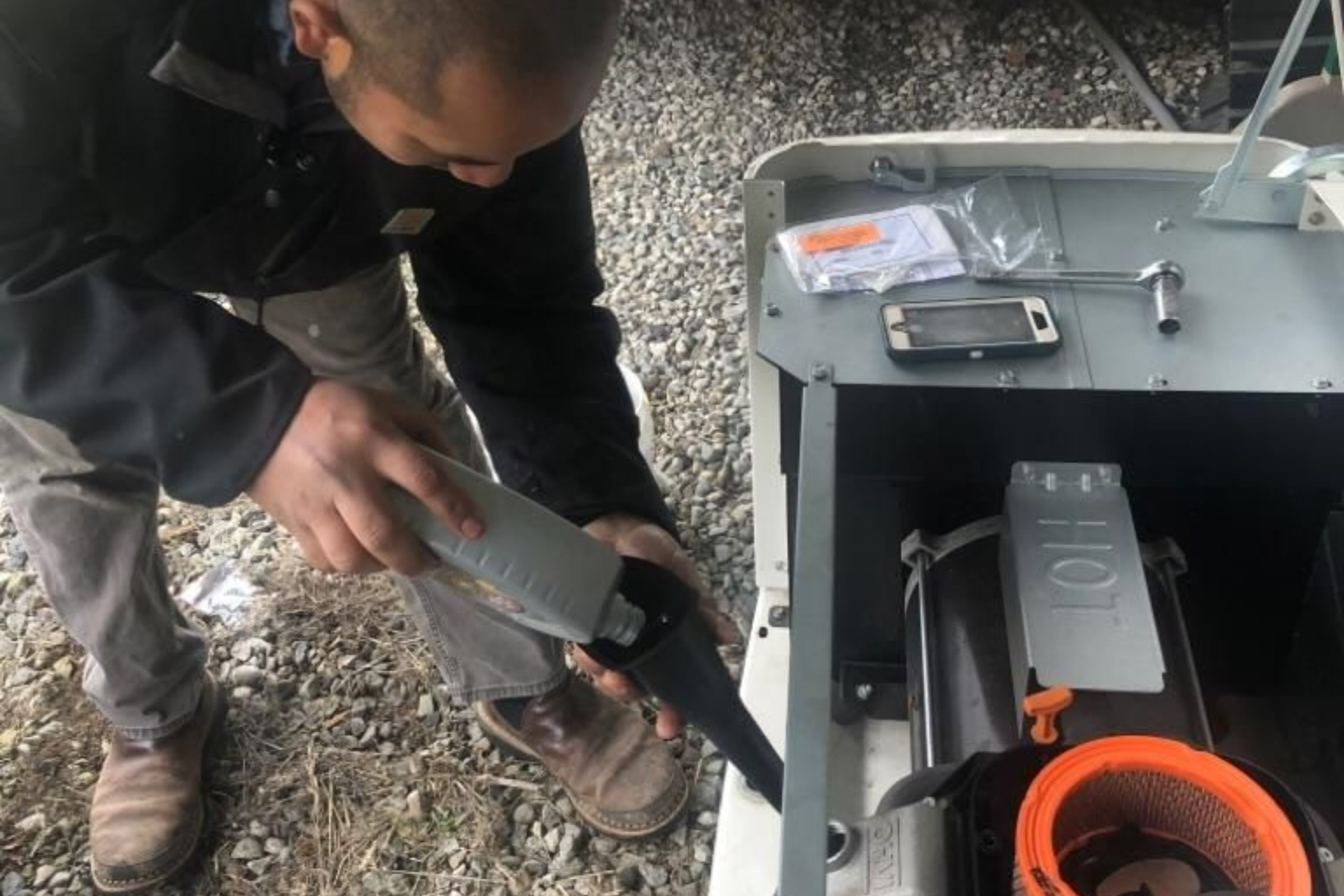
  • Oil and filter replacement with the right grade for our climate.
  • Spark plug inspection and replacement if worn.
  • Air filter replacement and breather checks.
  • Electrical and controls
  • Battery load test and charger verification.
  • Alternator and voltage regulator checks under load.
  • Tighten and torque all lugs to spec. Thermal scan for hot spots.
  • Transfer equipment
  • Exercise the transfer switch in both directions.
  • Inspect contact wear, control wiring, and labeling.
  • Confirm neutral and grounding paths are correct.
  • System run and QA
  • Simulate an outage to confirm smooth transfer.
  • Stabilize frequency and voltage within specification.
  • Document readings and recommendations.

Our team uses manufacture recommended parts and practices. We are registered service technicians for Kohler and Generac, we file our maintenance with them to maintain your warranty.


Signs You Need Service Sooner

Quick action prevents damage and keeps your warranty intact, call for service if you notice any of the following.

  • Hard starting or failure to start during exercise.
  • Error codes or alarm lights on the controller.
  • Surging lights, dimming, or flicker under generator power.
  • Unusual vibration, exhaust smoke, or fuel odor.
  • Tripped breakers during transfer or load pickup.

If you just rode out a multi‑day outage in Yelm, Dupont, or Tumwater, schedule a post‑event check. The engine and alternator worked hard and deserve a quick inspection.


Transfer Switches, Panels, and Subpanels

Your generator is only as reliable as its switching gear. In our market, we see both manual and automatic transfer switches, so what’s the difference?

  • Manual transfer switch
  • Flexible and budget friendly.
  • Requires a safe and practiced process during an outage.
  • Automatic transfer switch
  • Detects an outage and starts the generator automatically.
  • More convenient but more expensive.

Relocations and upgrades are common when remodeling or adding circuits. We provide estimates for modifications of your system to make your transfer experience easier. Proper labeling and code‑compliant clearances make operation safe and fast during a storm.


Fuel, Load, and Exercise Best Practices

Fuel quality and load management are the difference between a smooth run and a short lifespan.

  • Fuel
  • Propane is stable and stores well. It is common in rural South Sound areas.
  • Gasoline can go stale. Use stabilizer and rotate fuel if left for extended periods.
  • Load
  • Prioritize critical circuits: refrigerator, well pump, heat, medical devices, and network.
  • Avoid starting too many motors and appliances at once.
  • Exercise
  • Weekly automatic exercise keeps oil circulated and system tested.
  • Listen during exercise, odd sounds or smells point to service needs.

If your generator supports a heat pump or large well pump, we may recommend soft‑start device. During installation site assessments, we size the system to your actual loads.


Cost, Warranties, and ROI of Maintenance

Skipping maintenance is the most expensive choice. A battery that fails on a cold December night can cascade into control faults or a freezer full of spoiled food. Dirty filters can shorten engine life. A loose lug can arc, pit contacts, and damage sensitive electronics.

Routine service spreads the cost over predictable visits and protects your investment. Our work is covered by a three‑year labor warranty, and we include a one‑year parts warranty on anything we install. Pair your generator with whole‑house surge protection that carries a lifetime product warranty up to $100,000 which protects your appliances and helps your homeowner budget when storms strike.


DIY vs Professional Tasks

Homeowners can handle light upkeep, but critical checks belong to a licensed electrician.

  • Good DIY tasks
  • Keep the enclosure clear and clean.
  • Review the display and log exercise results.
  • Replace air filters between visits if you are comfortable.
  • Leave to a pro
  • Transfer switch testing and contact inspection.
  • Load testing, voltage, and frequency tuning.
  • Fuel delivery checks and regulator adjustments.

Washington electrical rules exist to protect your family and first responders. Professional service ensures the safety of your system throughout its operational process.


Our Process and Scheduling

We serve Tacoma, Olympia, Lakewood, Lacey, University Place, Spanaway, Tumwater, Shelton, Yelm, Dupont, Chehalis, and beyond. Here is how we keep your system ready:

  1. Site assessment
  • Evaluate loads, fuel supply, placement, and clearances.
  • Inspect existing equipment and panel capacity.
  1. Maintenance visit
  • Perform engine and electrical service per manufacturer specs.
  • Replace worn parts and update firmware if needed.
  1. Recommendations
  • Provide estimates for upgrades such as transfer‑switch relocation or generator size increases to meet new demands.
  • Offer surge protection options with industry‑leading warranties to protect your appliances and electronics.
  1. Follow‑up
  • Document results and set reminders for your next service.
  • Priority scheduling before peak storm season.

We install and service all makes and models. That includes standby systems and manual hook‑ups. If we find anything amiss, we repair it before the next outage so your backup power is ready.


How to Pick the Right Service Interval for Your Home

Use your home’s risk profile to choose the right cadence.

  • You rely on well water, medical devices, or home office uptime
  • Choose semiannual service with a fall and spring visit.
  • You have a standard household with moderate outage risk
  • Choose annual service with a pre‑storm check.
  • You are near salt air or heavy tree cover
  • Add a 6‑month inspection to clear debris and check corrosion.

If you are unsure, we will review your usage, location, and equipment age. Then we will recommend a schedule that fits your budget and your risk tolerance.


Reviews

What Homeowners Are Saying

"Chuck was great! He came to provide an estimate and was so helpful. He explained everything, answered my questions, gave great advice and provided alternatives for me to choose from. The estimates he provided were well detailed and very reasonable. I feel Shocking Difference is an honest, reliable company and I've decided to go with them for my generator installation and ongoing maintenance."
–Customer, Generator Installation

"Shocking Difference electrician Ethan Dobbs evaluated our home’s power needs (in the event of a blackout), researched the various brands/models, and gave us an estimate for the installation. He answered all of our questions and he (along with his apprentice, Yasser) modified our electrical fuse panel, installed an outdoor cable plug for the generator, and showed us how to attach the cable to the generator and suggested we use propane gas as the fuel. ... We are well pleased with the quality of work and after installation service and support we received from Ethan and Shocking Difference LLC and will use them for all of our future electrical needs. Highly Recommended!"
–Customer, Olympia

"Generator Service: first service on few year old residential 20kw generator. Professional start to periodic maintenance plan."
–Customer, Tacoma

"Zack was excellent and thorough. Our generator is finally working the way it should."
–Customer, Lacey

Frequently Asked Questions

How often should you service a standby generator?

Plan a full professional service every 12 months or 100–150 hours. Add a 6‑month check if your site is coastal or tree covered.


Do I need maintenance after a long outage?

Yes. Schedule a post‑event visit to check oil, spark plug, air filter, and electrical connections. It prevents surprise failures.


What does generator maintenance include?

Oil and filter change, spark plug inspection, battery testing, air filter replacement, transfer switch testing, and a full system run.


Can I do maintenance myself?

You can clear debris and check displays. Leave load testing, transfer switch work, and electrical adjustments to a licensed electrician.


How long does a service visit take?

Most visits take 60 to 120 minutes. Larger standby units or complex transfer equipment can take longer.


Conclusion

Staying on a smart service schedule keeps your generator reliable when Tacoma and Olympia weather turns rough. Aim for annual professional maintenance, add a mid‑year check for harsh sites, and inspect after long outages. That is how you ensure reliable power with minimal surprises.


Call to Schedule

Get your generator ready before the next storm. Call Shocking Difference LLC at (360) 754-4542 or book at shocking-difference.com. Ask about surge protection with lifetime coverage up to $100,000 and our three‑year labor warranty on our work.

Shocking Difference LLC is a licensed, bonded, and insured electrical contractor serving the South Sound. Our technicians are background checked, drug tested, and trained beyond Washington state requirements. We stand behind our work with a three-year labor warranty and a one-year parts warranty on anything we install. We are BBB accredited, an Angie’s List Super Service Award winner, and a Nextdoor favorite. From whole-house generators to surge protection, we deliver safe, code-compliant solutions that protect your home and budget.


Close-up of electric car charging.
October 28, 2025
Discover top electric vehicle chargers in Olympia, WA, with Shocking Difference LLC. Contact us today for expert installation and unbeatable local service!
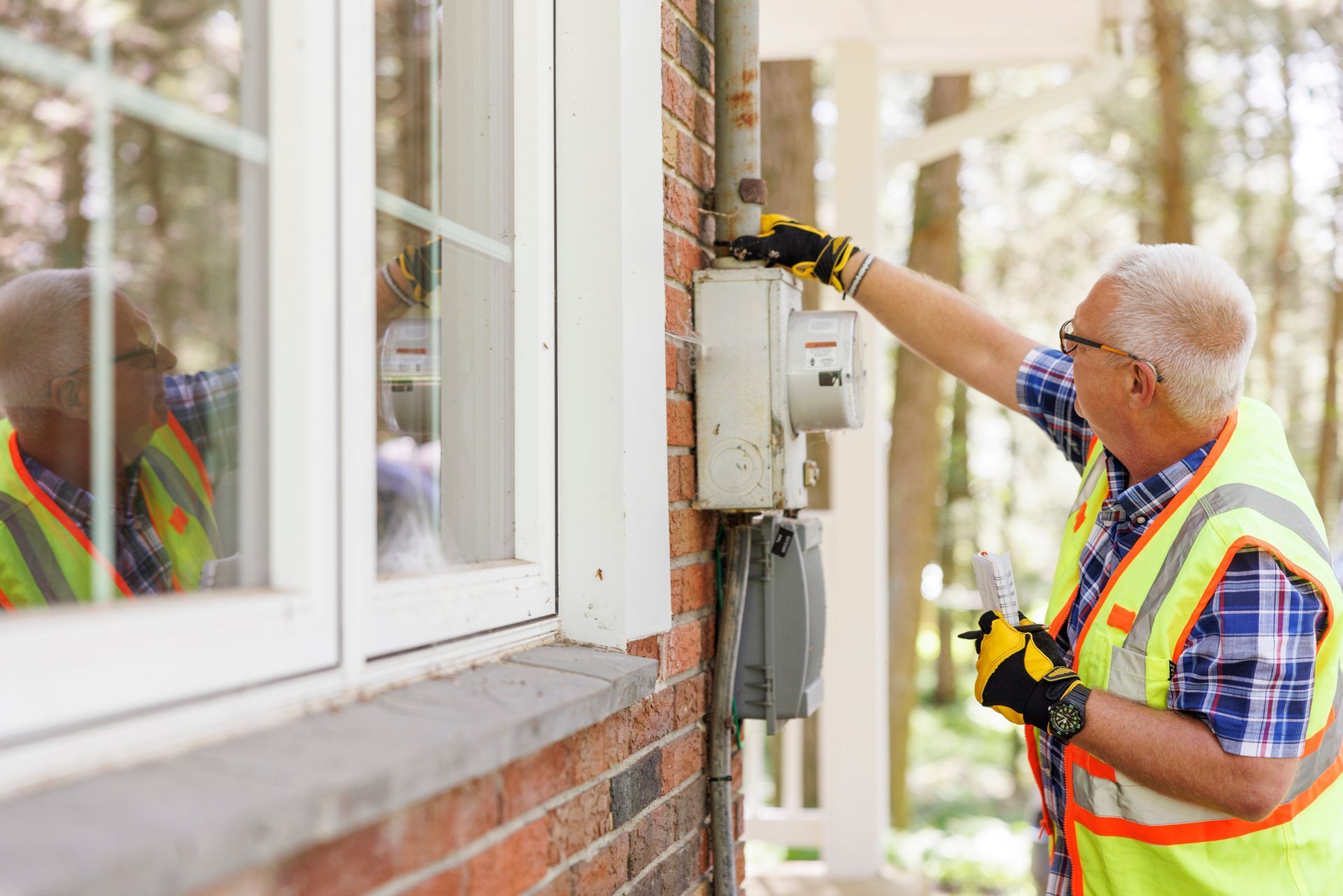
An electrician wearing a vest fixes a meter during an emergency for residential electrical.
October 6, 2025
Ensure your home's safety with expert residential electrical services in Lakewood, WA. Call Shocking Difference LLC at (360) 754-4542 for reliable solutions.
Technician fixing home electrical wiring inside a circuit breaker panel using insulated screwdriver.
By Admin July 2, 2025
Discover how upgrading your home electrical in Lakewood, WA, can boost safety, efficiency & home value. Call Shocking Difference at (360) 754 4542 today!
Hand Charging Modern Electric Car | Olympia, WA - Shocking Difference LLC
By Admin February 4, 2025
Shocking Difference LLC in Olympia, WA, offers home EV chargers that add convenience, save money, and enhance your EV experience. Click here for more info.
Hand plugging in an electric vehicle charger in Olympia, WA, highlighting convenient and eco-friendl
By admin January 9, 2025
Explore the best electric vehicle chargers in Olympia, WA, for your home. Learn about options, costs, and expert installation. Call us today for guidance!
What to Do in a Power Outage? | Shocking Difference LLC
By Winona Furgison June 6, 2023
Don't be left in the dark! Contact us today by calling (360) 754-4542 or reaching out online to learn more about preparing for power outages!
electrical panel
By Winona Furgison May 4, 2023
A generator transfer switch – or a transfer switch – transfers electrical power from one source to another in the case of a power outage or when switching between a primary power source and a backup generator.
Is a Home Generator Worth It? | Shocking Difference LLC
By Winona Furgison April 11, 2023
The team at Shocking Difference LLC is ready to help you install a home generator in Olympia, WA. Call us today at (360) 754-4542 or contact us online for more information.
Power Outage | Olympia, WA | Shocking Difference
By Winona Furgison January 20, 2023
There are some simple ways you can prepare for a power outage and ensure your family and home are safe from needing electrical repairs.
Labeling Your Electric Panel | Shocking Difference
By Winona Furgison November 7, 2022
Putting labels next to all of the breakers in your electric panel is an important step toward keeping your house safe. Call (360) 754-4542 for any electrical concerns.
Show More